

Proprietary Solution
Technical Case Study: Dynamic Content Delivery via Google Sheets (Pixolo Proprietary)
Launching dynamic, data-driven websites quickly and affordably by using Google Sheets as a lightweight CMS.

Impact by the Numbers
Our proprietary solution eliminated the need for complex database infrastructure, delivering maximum functionality on minimum budget.
Estimated CMS Development Time Saved
80+ Hrs
Infrastructure Cost Reduction
75%
Time to Deploy Dynamic Content
2X Faster
Ease of Client Content Management
High
The Challenge
The Low-Budget Content Barrier
The Budget Constraint
Many clients require websites with dynamic, frequently updated data (e.g., product lists, events, pricing), but their budget prohibits the development of a custom Admin Panel or a full Content Management System (CMS).
The Core Problem
How to deliver a professional, dynamic website experience using a simple, cost-effective tool that clients can easily manage themselves, without incurring high CMS development costs.

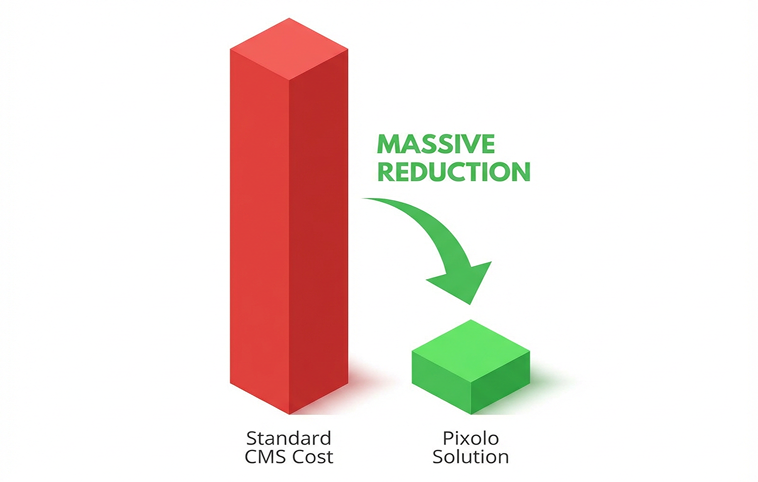
The Traditional Hurdles to Dynamic Data
High Cost of CMS/Admin Panel
Building a custom back-end for data entry, authentication, and management is expensive and time-consuming.
Development Cost
High
Steep Learning Curve for Clients
Traditional CMS platforms often require training and complex logins, creating a barrier for simple content updates.
Client Effort
High
Infrastructure Complexity
A full CMS requires a dedicated database, maintenance, and regular security updates.
Maintenance Burden
High
The Pixolo Vision: Simplicity as a Service

01
Eliminate CMS Development Costs
Bypass the need for a dedicated CMS or Admin Panel to stay within constrained budgets.
02
Empower Clients with Familiar Tools
Allow clients to manage dynamic content using a tool they already know: Google Sheets.
03
Ensure Secure, Reliable Data Delivery
Develop a proprietary, authenticated API service to translate sheet data into usable website content.
Our Solutions
Dynamic Data, Simplified
01
Google Sheets: The Lightweight CMS
02
Pixolo Proprietary JSON API
03
Maximum Budget Efficiency
04
Scalable and Reliable
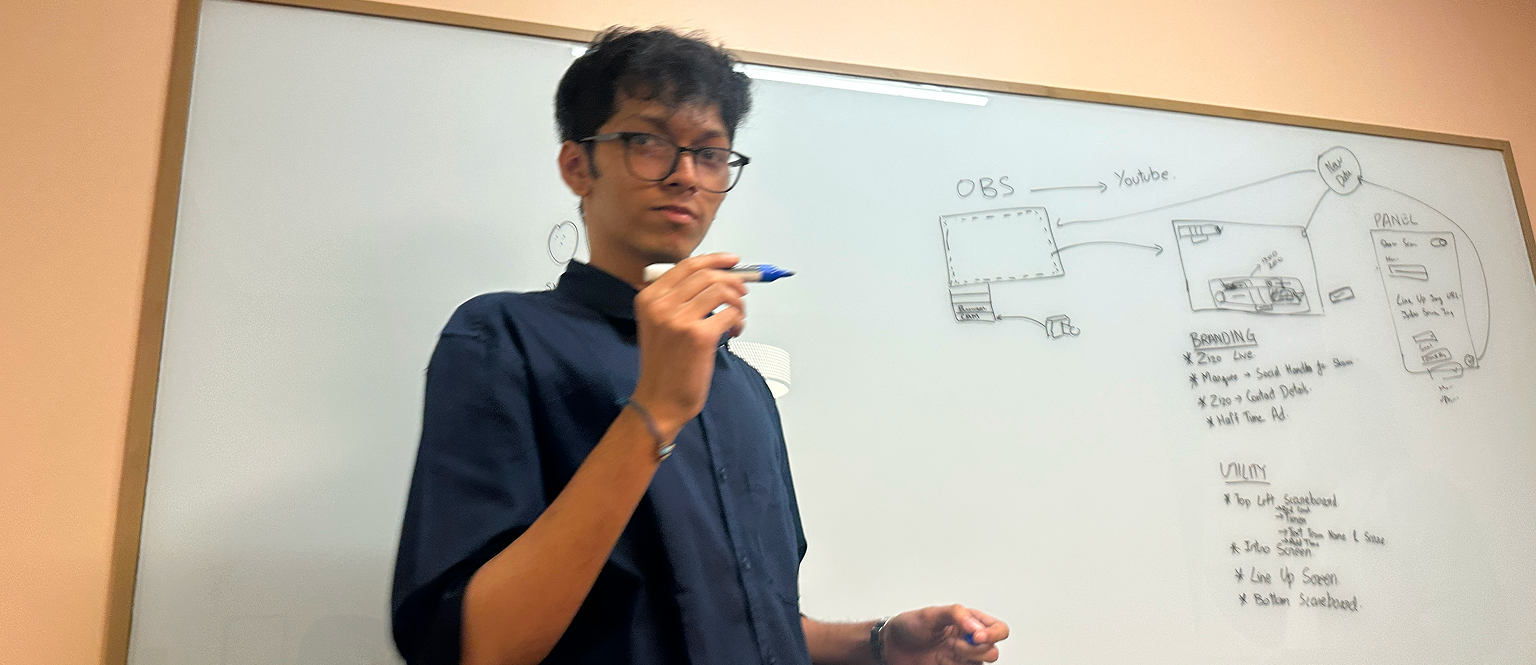
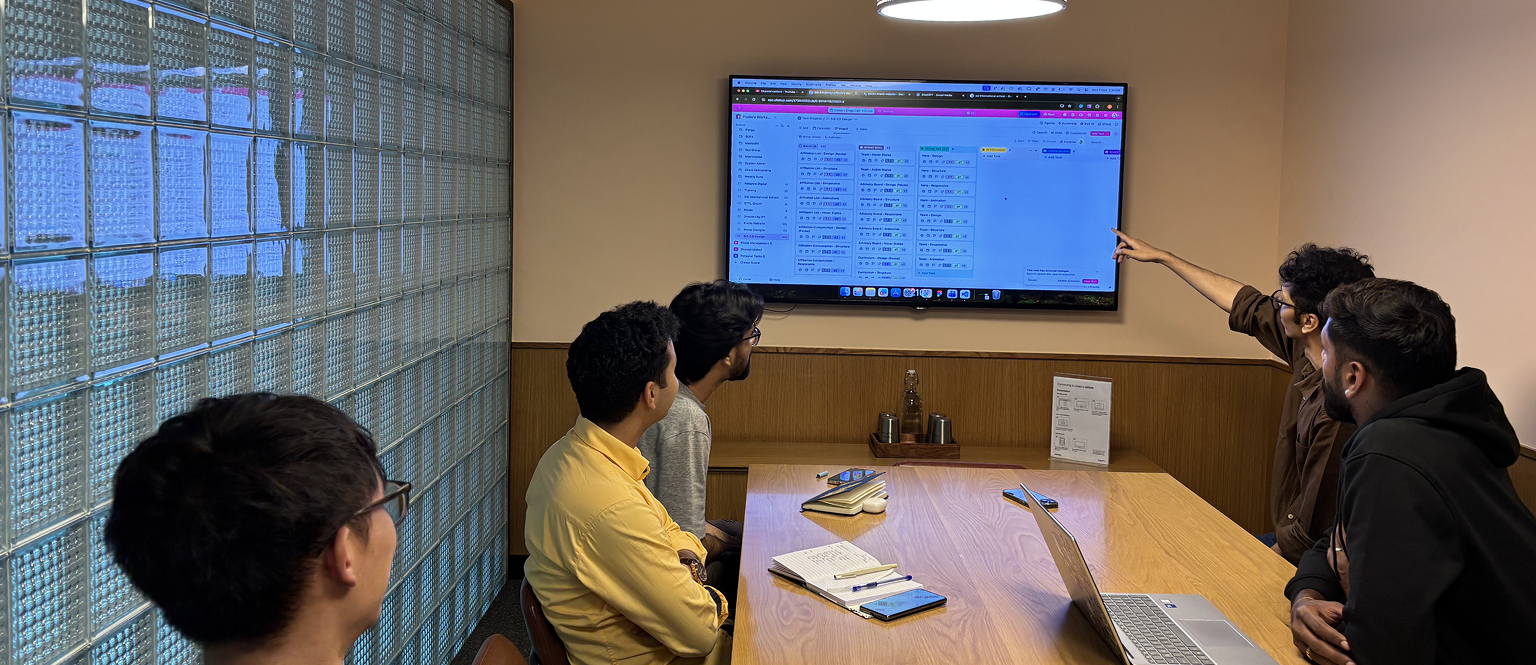
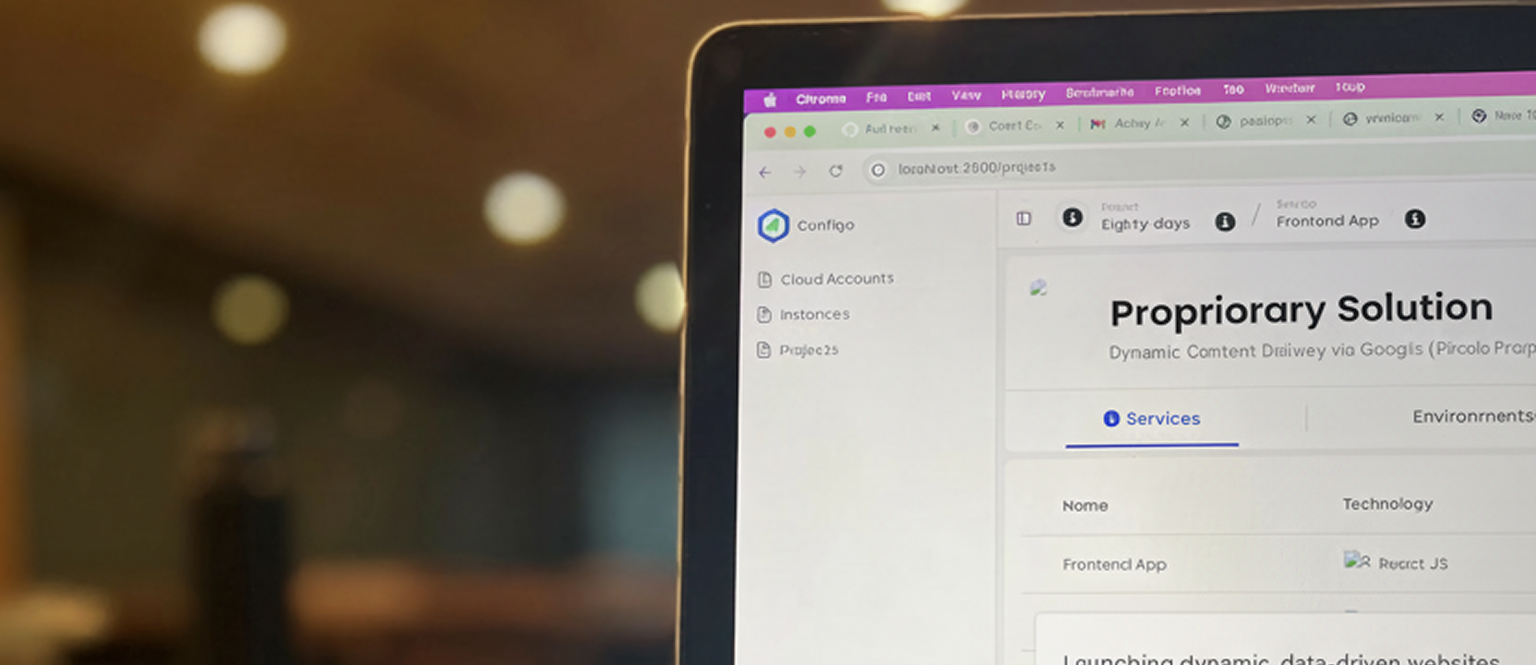
Project Visuals
Behind the Transformation

Key Takeaways
Main Learnings & Highlights
Innovation Solves Budget Constraints
01
Client Comfort Drives Adoption
02
The Value of a Translation Layer
03
Limitations That Guided The Process
Project Timeline
The project carried a firm deadline, pushing the team to stay aligned and deliver on time.
Time taken
125 Hrs
Phase 1
Initial planning and research took place, establishing the framework for the project.
Time taken
50 Hrs
Phase 2
Development and implementation, where the core features were built and tested.
Time taken
75 Hrs
Phase 3
Final review and adjustments, ensuring everything met the quality standards before the launch.
Time taken
30 Hrs