

Performance Optimization
Technical Case Study: Achieving Near-Instant Load Times with Custom Pre-Rendering
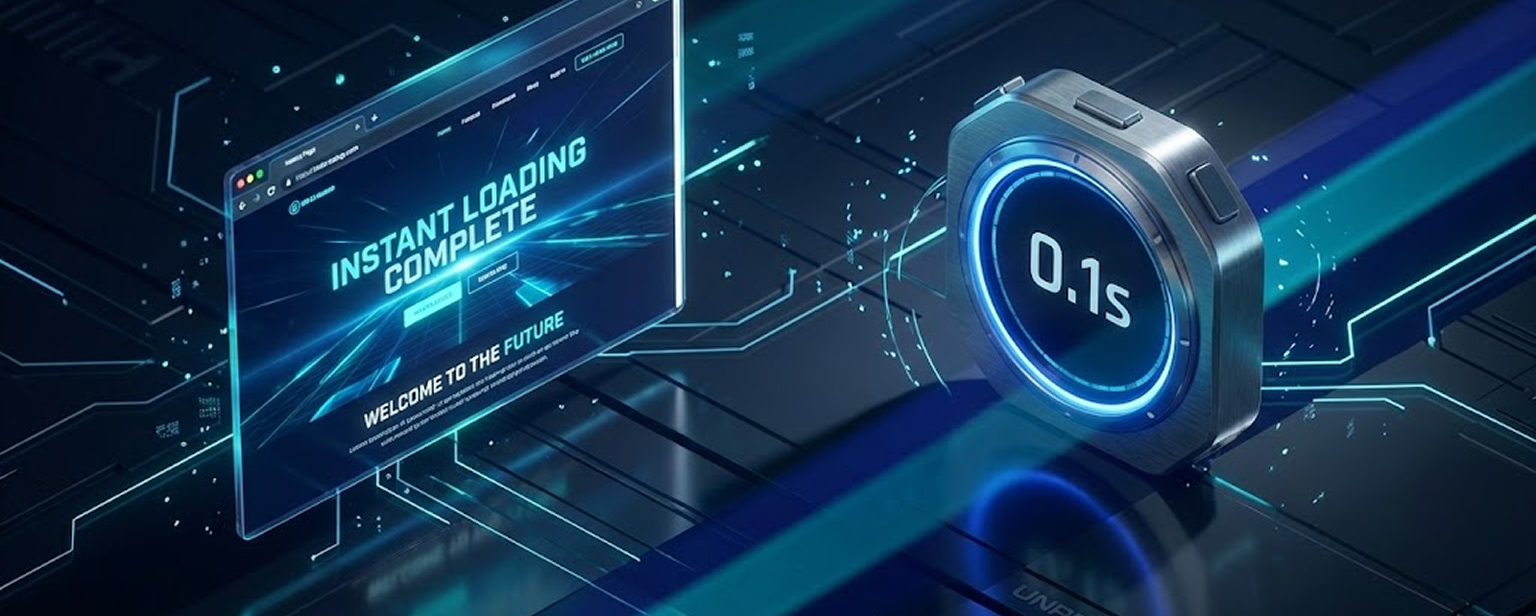
Bypassing slow runtime rendering by serving pre-built, raw HTML for immediate user experience.
Impact by the Numbers
By eliminating the time spent on runtime rendering, we dramatically improved core web vitals and overall site speed.
Time to First Byte (TTFB)
75% ↓
Page Load Speed
Under 1s
Core Web Vitals Score
95+
User Experience Rating
Improved
The Challenge
Client Context: The Need for Speed
Modern Web Components
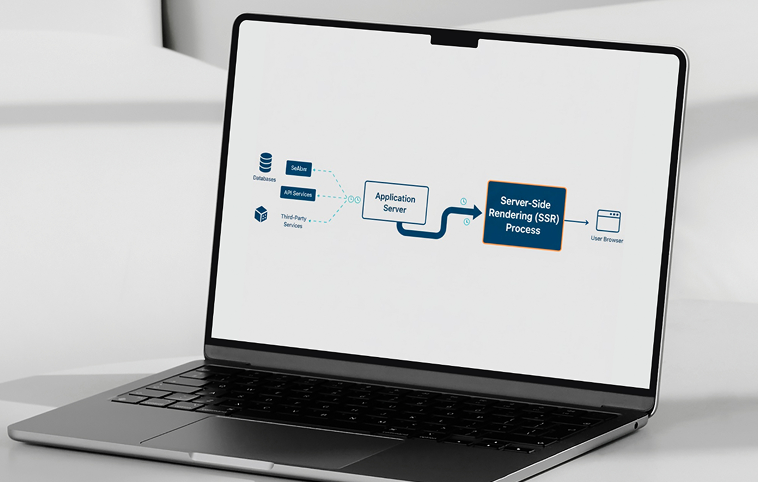
The site was built using dynamic components and data fetched from various APIs, which is standard for modern development but inherently slower due to the sequential rendering process.
The Core Problem
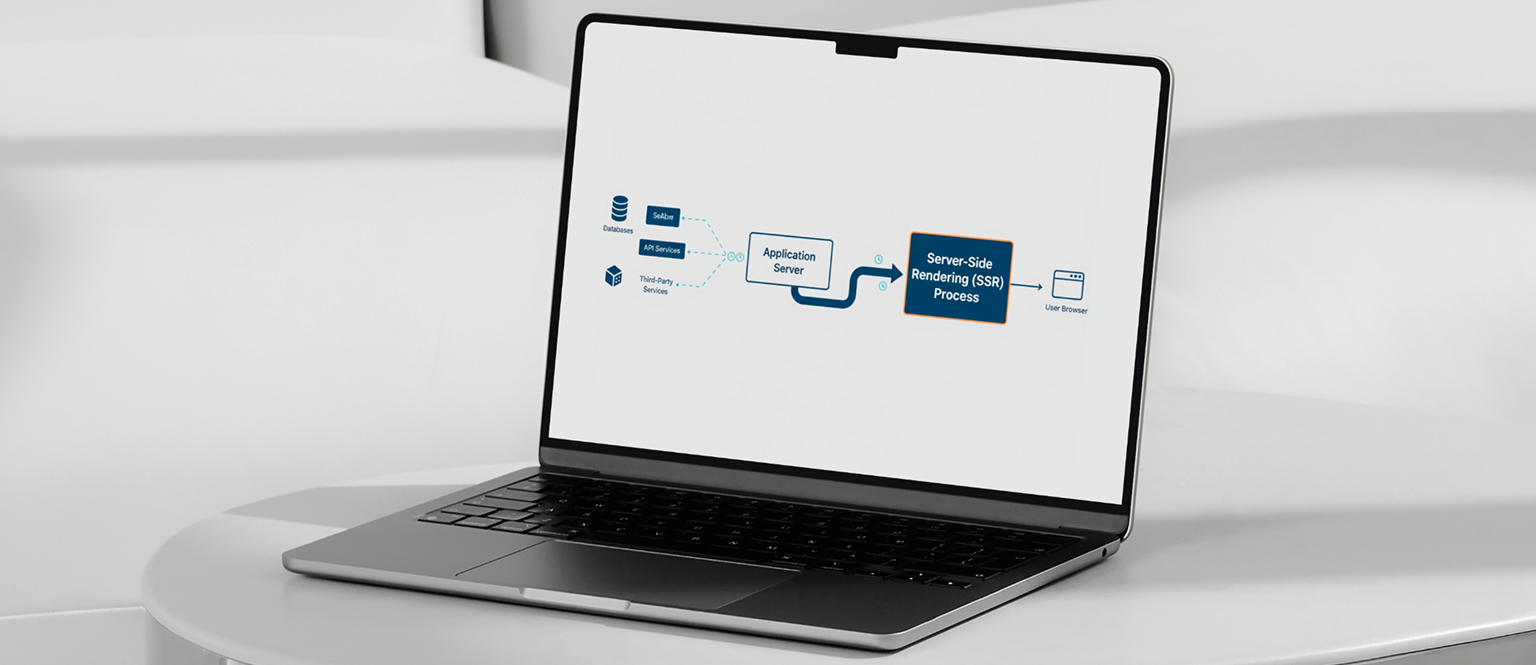
All dynamic sites require a time-consuming process: fetching data, server-side rendering (SSR), and then delivering the final HTML. Our goal was to eliminate the runtime SSR delay.
The Runtime Rendering Bottleneck
Component Latency
Pages relied on dynamic data, forcing the user to wait for APIs to respond and the server to compile the page HTML.
Server Rendering Time
High
Sequential Load Process
The process was linear: Data Fetch → Server Render → User Load, adding unnecessary seconds to the user's wait time.
Time to Interactive
Slow
Subpar User Experience
Slow loading speeds lead to frustration, higher bounce rates, and a lower perceived quality of the website.
Bounce Rate
Increased
The Client’s Vision: Immediate Content Delivery
01
Achieve Near-Instant Load Times
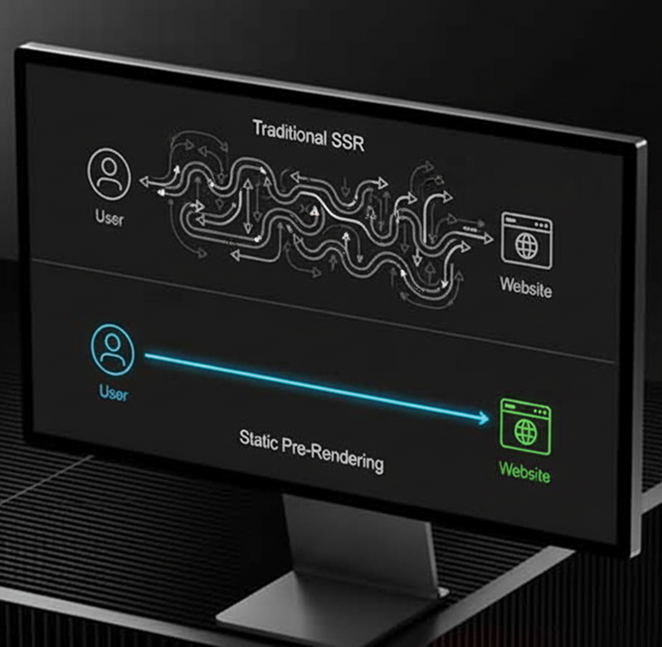
Bypass the complexities of dynamic rendering to serve content as fast as a simple, static HTML file.
02
Simplify Delivery Flow
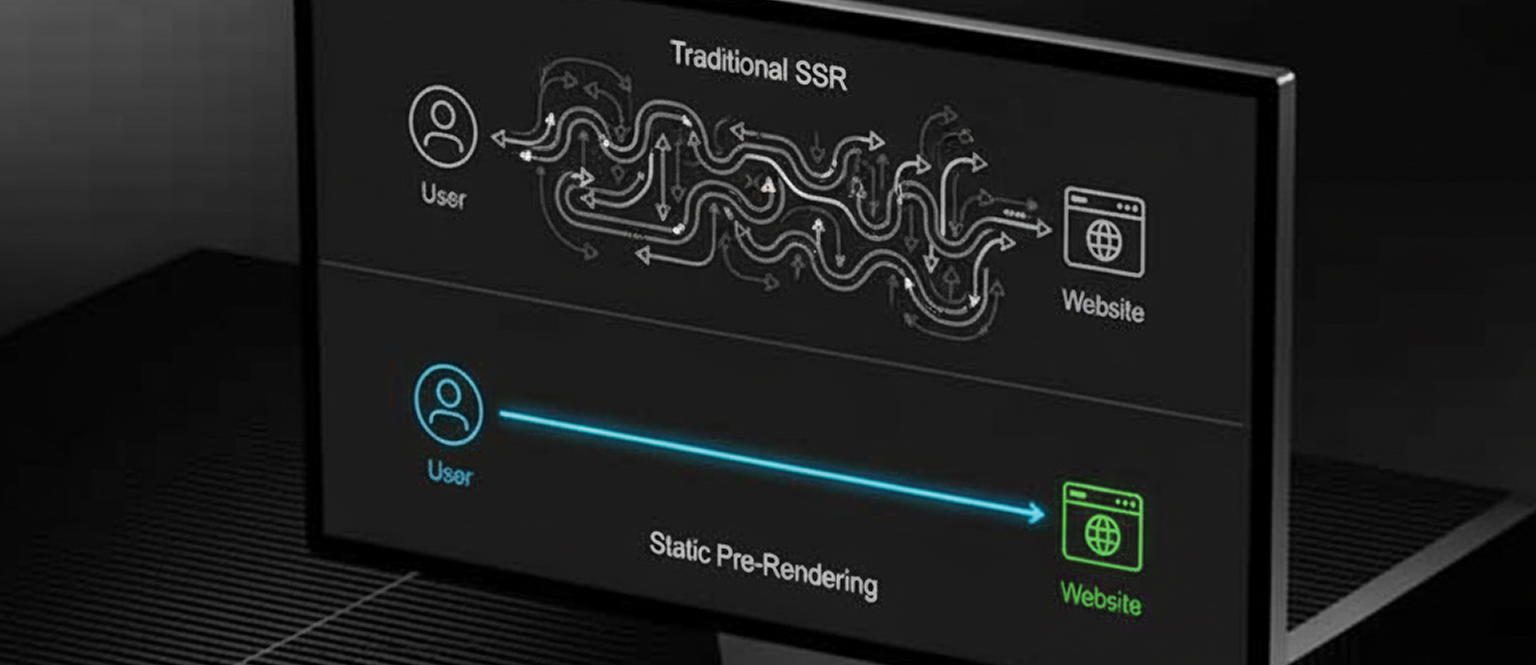
Eliminate the runtime server-side rendering step for a direct, predictable path to content delivery.
03
Improve SEO and User Retention
Leverage improved site speed to enhance search engine ranking and provide a superior user experience.
Our Solutions
Serving Speed: Pre-Built vs. Live-Built
01
Serving Pre-Built HTML
02
Efficiency of Custom Scripting
03
Simplified Server Load
04
Superior User Experience
Project Visuals
Behind the Transformation
Key Takeaways
Main Learnings & Highlights
Pre-Rendering is the Ultimate Speed Hack
01
Custom Solutions Beat Off-The-Shelf
02
Speed is the New Feature
03
Limitations That Guided The Process
Project Timeline
The project carried a firm deadline, pushing the team to stay aligned and deliver on time.
Time taken
125 Hrs
Phase 1
Initial planning and research took place, establishing the framework for the project.
Time taken
50 Hrs
Phase 2
Development and implementation, where the core features were built and tested.
Time taken
75 Hrs
Phase 3
Final review and adjustments, ensuring everything met the quality standards before the launch.
Time taken
30 Hrs