

Content Management Automation
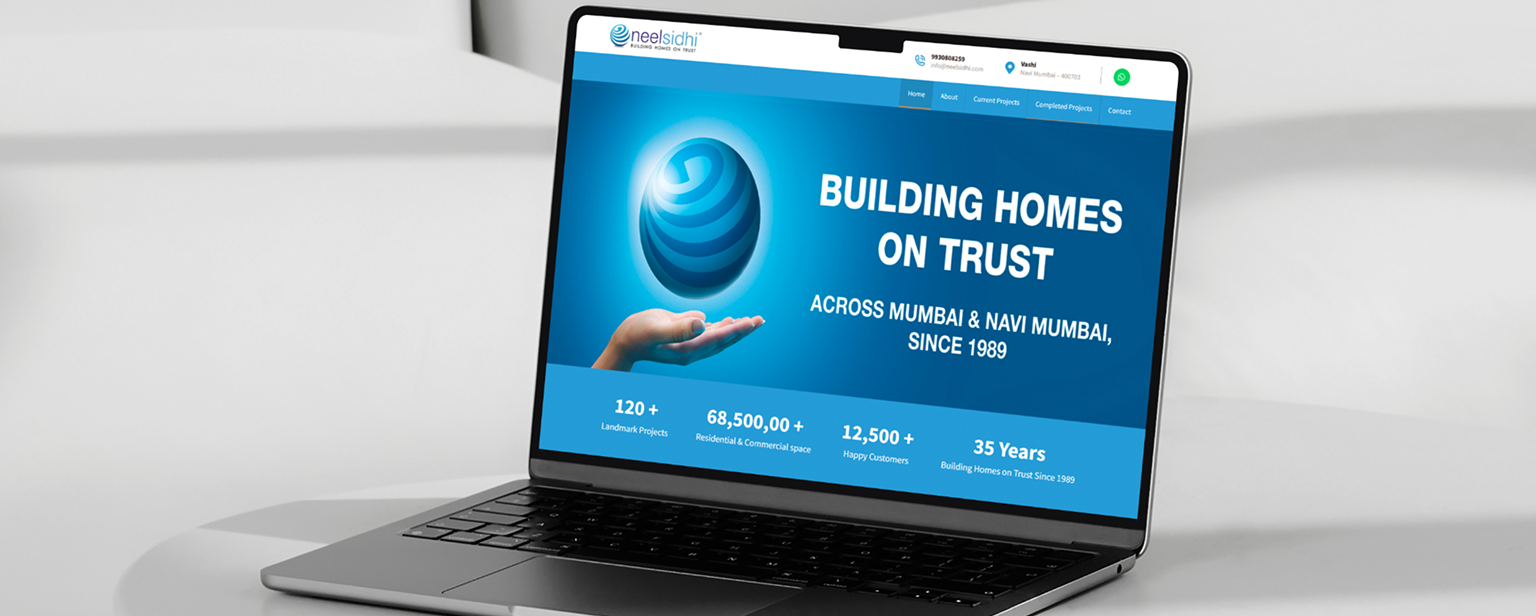
Neelsidhi UX Case Study: Instant Page Creation via Google Sheet Sub-Sheets
Empowering our client, Neelsidhi, to create and deploy new project pages instantly by simply adding a new sub-sheet to their Google Sheet.
Impact by the Numbers
The seamless integration of content creation and deployment drastically reduced turnaround time for new project launches.
Time to Deploy New Page (Old Method)
7 Days
Time to Deploy New Page (New Method)
1 Hr.
Number of New Pages Created
20 Pages
Client Content Control
93%
About the Client
Our Client at a Glance
Neelsidhi Developers
A construction and real estate client who frequently launches new projects, requiring a constant stream of new, dedicated web pages for marketing and information.
The Core Problem
The client needed a scalable, zero-developer-effort solution to add new project pages (HTML pages with unique URLs) without relying on traditional CMS development or high external costs.


The Roadblock: Inflexible Content Expansion
High Cost of New Pages
Each new project traditionally required developer time for manual URL creation, page templating, and deployment.
Cost Per Page
High
Reliance on Developers
The client lacked direct control over site structure and had to wait for the development team to launch every new project page.
Deployment Latency
Slow
Inconsistent Page Structure
Manual page creation often led to slight variations in HTML structure and inconsistent URLs.
Structural Consistency
Low
The Client’s Vision: Self-Service Scalability

01
Achieve Content Flexibility
Allow the client's marketing team to expand the website's content and structure independently.
02
Automate Page Deployment
Make the process of adding a new project page instantaneous and entirely automated.
03
Leverage Existing Pixolo Infrastructure
Build upon the existing Pixolo Google Sheet to JSON conversion tool (Pix Sheet Data) to extend functionality to page creation.
Our Solutions
The Sub-Sheet Scalability Feature
01
Instant HTML Page Generation
02
Flexible Content Control
03
Zero-Cost Content Expansion
04
One API Call Efficiency
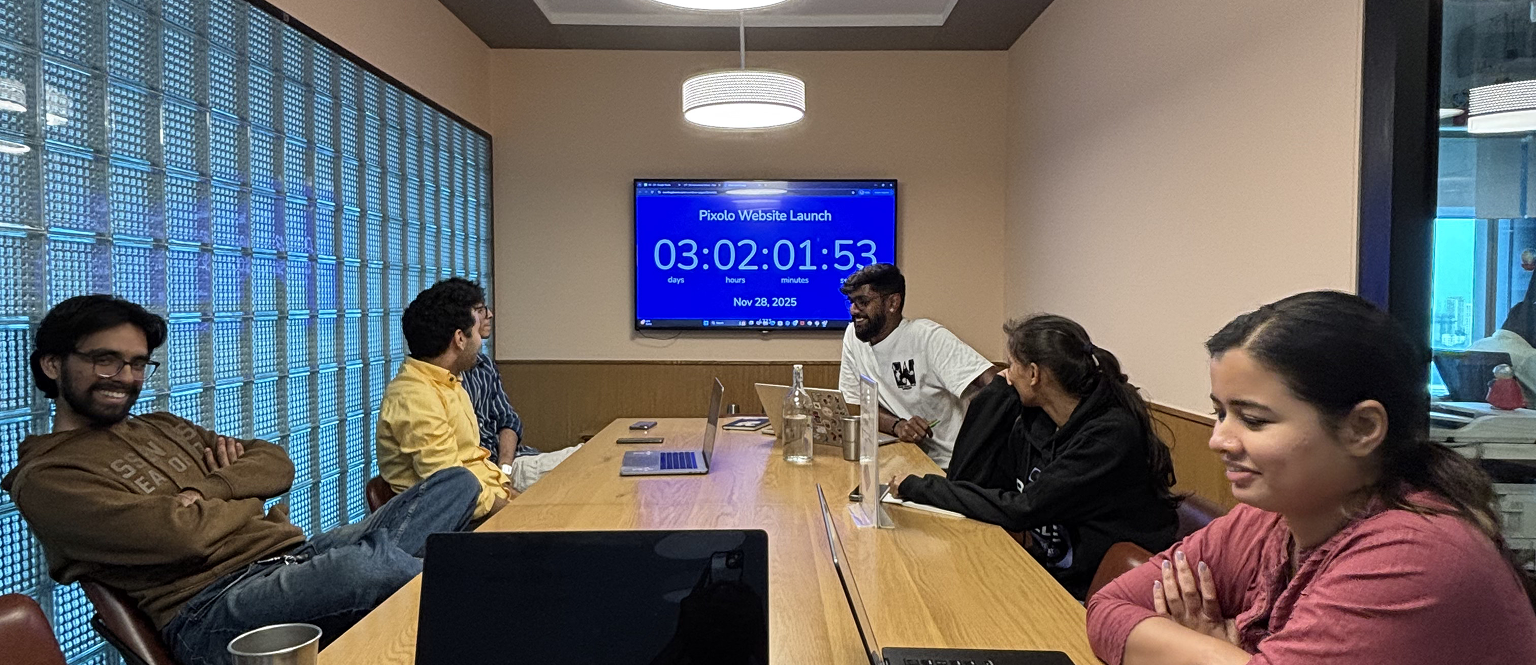
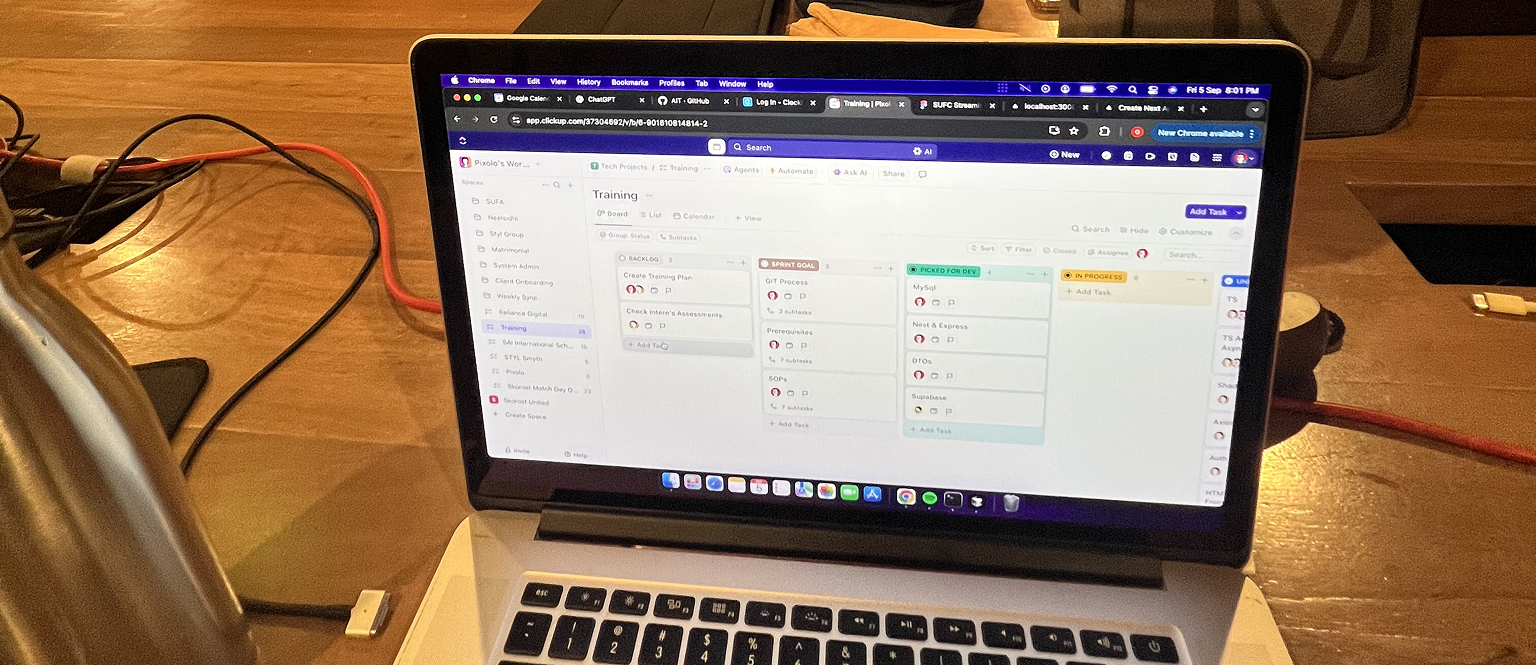
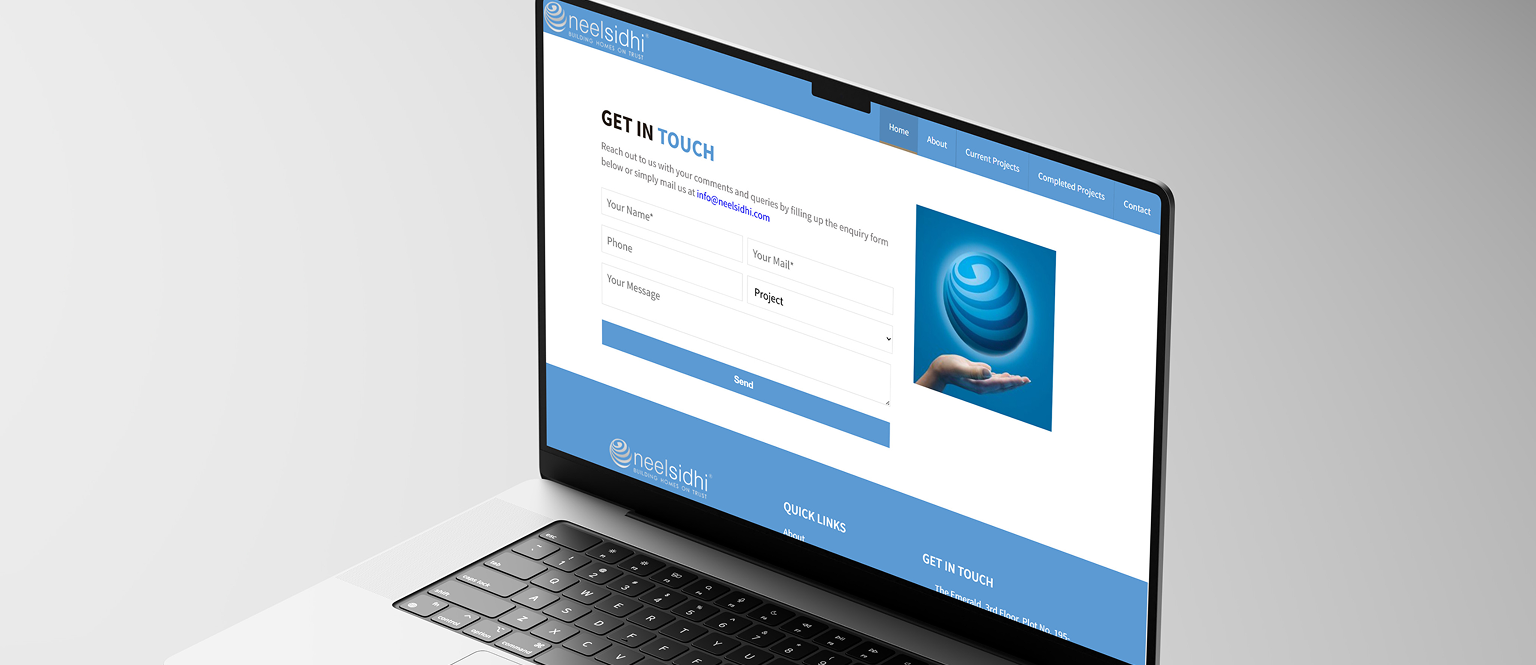
Project Visuals
Behind the Transformation

Key Takeaways
Main Learnings & Highlights
CMS Functionality Without the CMS
01
Scalability for Non-Technical Users
02
Simplicity Drives Adoption
03
Limitations That Guided The Process
Project Timeline
The project carried a firm deadline, pushing the team to stay aligned and deliver on time.
Time taken
125 Hrs
Phase 1
Initial planning and research took place, establishing the framework for the project.
Time taken
50 Hrs
Phase 2
Development and implementation, where the core features were built and tested.
Time taken
75 Hrs
Phase 3
Final review and adjustments, ensuring everything met the quality standards before the launch.
Time taken
30 Hrs